GAC Aion has announced a 2026 to 2028 plan to dig deeper into Thailand: over 5,000 million baht of investment, locally built batteries and motors, a battery-swap network aimed at taxis, and a series of new models. It reads less like a sales push and more like a long-term bet that Thailand will be a regional base.
All figures below are as reported in the original Thai article. The article does not cite primary sources for the investment amount, station counts or sales targets, so treat them as reported claims until officially confirmed.
A second factory and a local supply chain
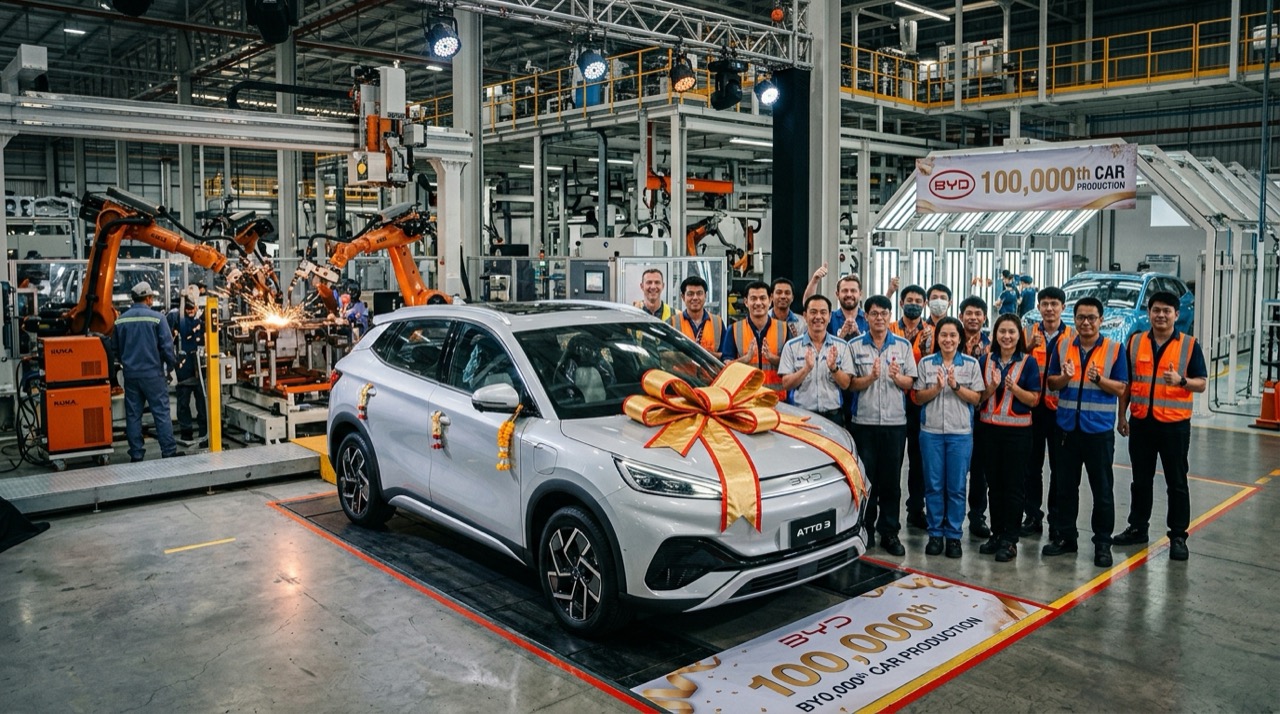
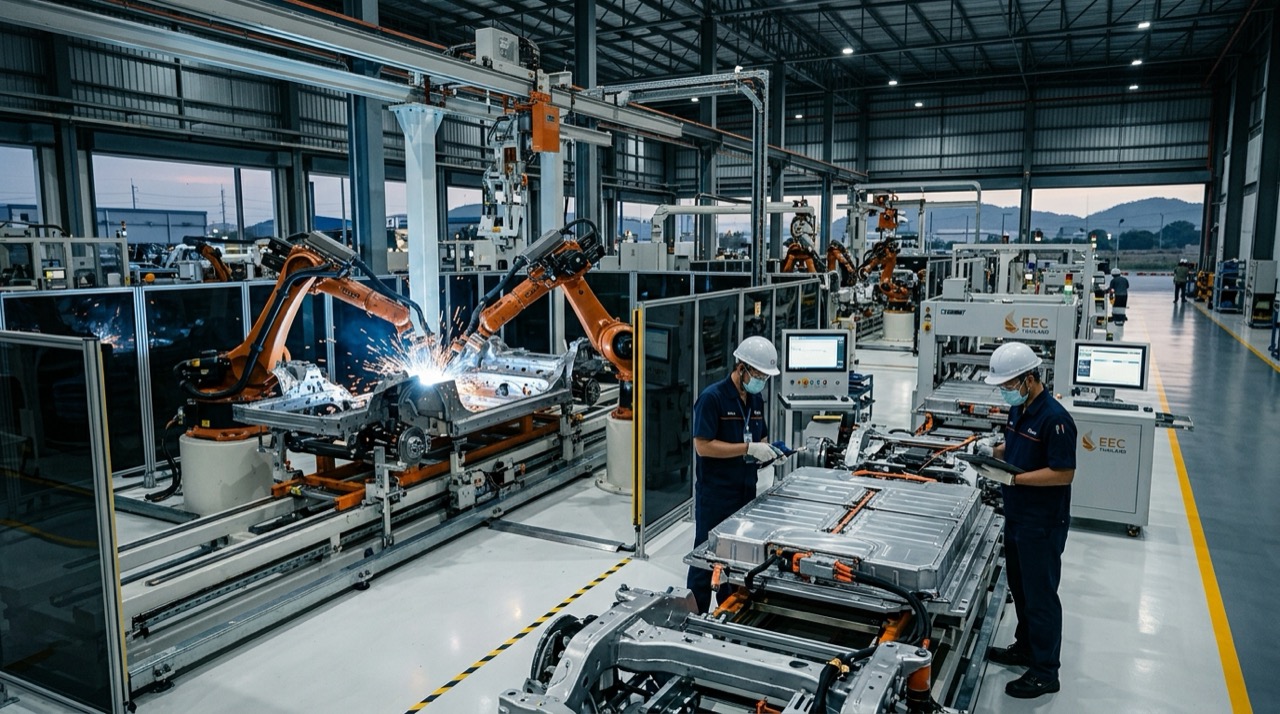
GAC Aion already assembles vehicles at a plant in Rayong. The new investment would fund a second vehicle factory to add capacity and support exports across ASEAN. Two supporting plants are also planned:
- Battery pack assembly: scheduled to start in October 2026
- Drive motor assembly: scheduled to start production in early 2027
The author argues this helps GAC meet BOI local content requirements and protect price competitiveness when the new excise tax structure takes effect.
Battery swapping for taxis
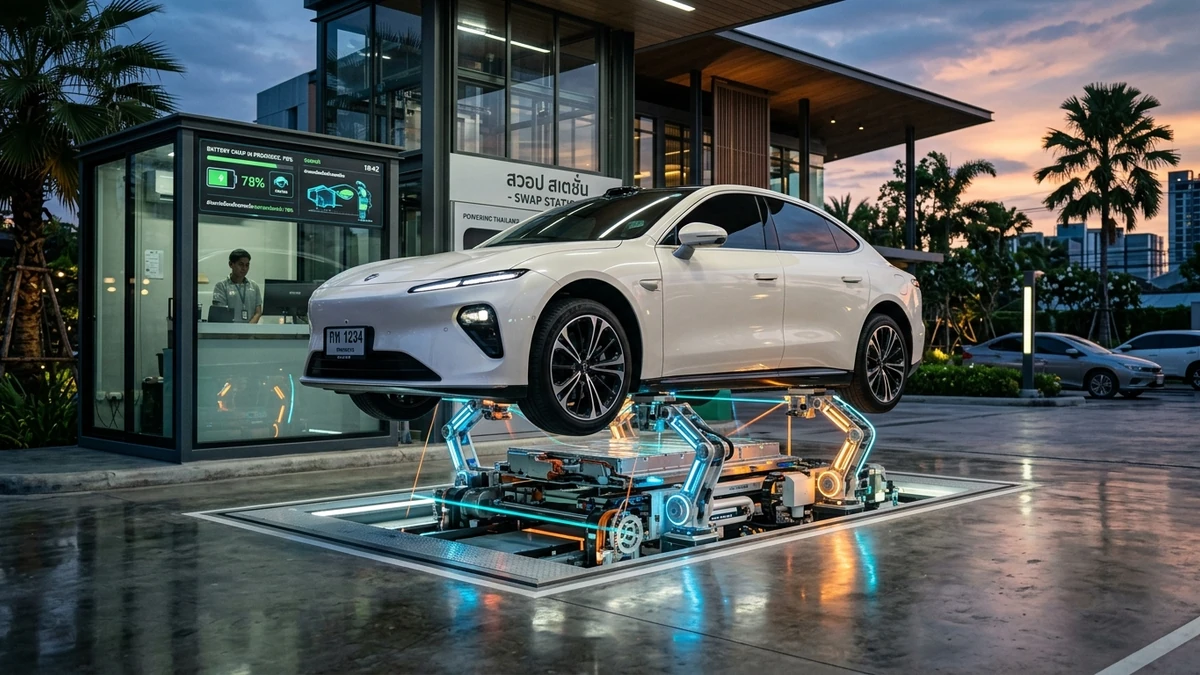
- Phase 1 target: 20 to 25 swap stations in Bangkok within the year, near Suvarnabhumi and Don Mueang airports and other transport hubs
- Speed: fully automated swaps in about 2 minutes
- Capacity: up to 700 vehicles per station per day
- Target users: taxi and fleet operators, who would avoid 30 to 45 minute charging waits at shift changes and peak hours, with the Aion ES Taxi as an example
Taxis are a smart place to start. Drivers earn by the hour, so minutes matter, and predictable routes make station planning easier. If the model works there, the article suggests it could later extend to private owners.
The product roadmap
Q4 2026 (sales target of 15,000 to 18,000 units):
- Aion i60, a compact electric SUV on a new platform, launching in November 2026
- Aion UT CROSS, a five-door crossover-style hatchback, launching in December 2026 at Motor Expo
2027:
- Aion N60 (mid-size family sedan)
- Aion B10 (new SUV)
- Hyptec s600 (flagship premium sports car)
- A kei-car-style micro EV for city use
GAC also plans REEV and PHEV models alongside pure battery-electric cars, and is developing a deeper Huawei collaboration for a premium brand that could use Huawei's driver-assistance and in-car systems. The article's headline and body differ on this: the body says it is still in development.
What it means for Thailand
- Hub status. A large investment signals Chinese confidence in Thailand's workforce and infrastructure, supporting its role as an ASEAN auto hub.
- After-sales. Local battery and motor production could shorten parts waits and reduce repair costs.
- Swap ecosystem. If the taxi model succeeds, swapping could become a real alternative to home and public charging.
What I will be watching
- Whether the battery-pack plant actually starts on time in October
- Whether 20 to 25 stations in Bangkok can be built and kept reliable
- Whether taxi operators sign up at scale, since swapping only pays off with high utilization
- Whether battery standards stay proprietary, which affects how far the network can grow
My take
The 5,000 million baht strategy is a meaningful step for the economy and for Thailand's low-carbon transition. The open question is battery swapping: will it find its place in Thailand, or will faster public charging win the argument? The next twelve months, with real stations and real taxi drivers, will say more than any press release.
Written by Ko John. Based on the Thai original on kojohn.com.
Original Thai analysis available at /articles/gac-aion-5-billion-investment-factory-battery-swap-thailand-2026