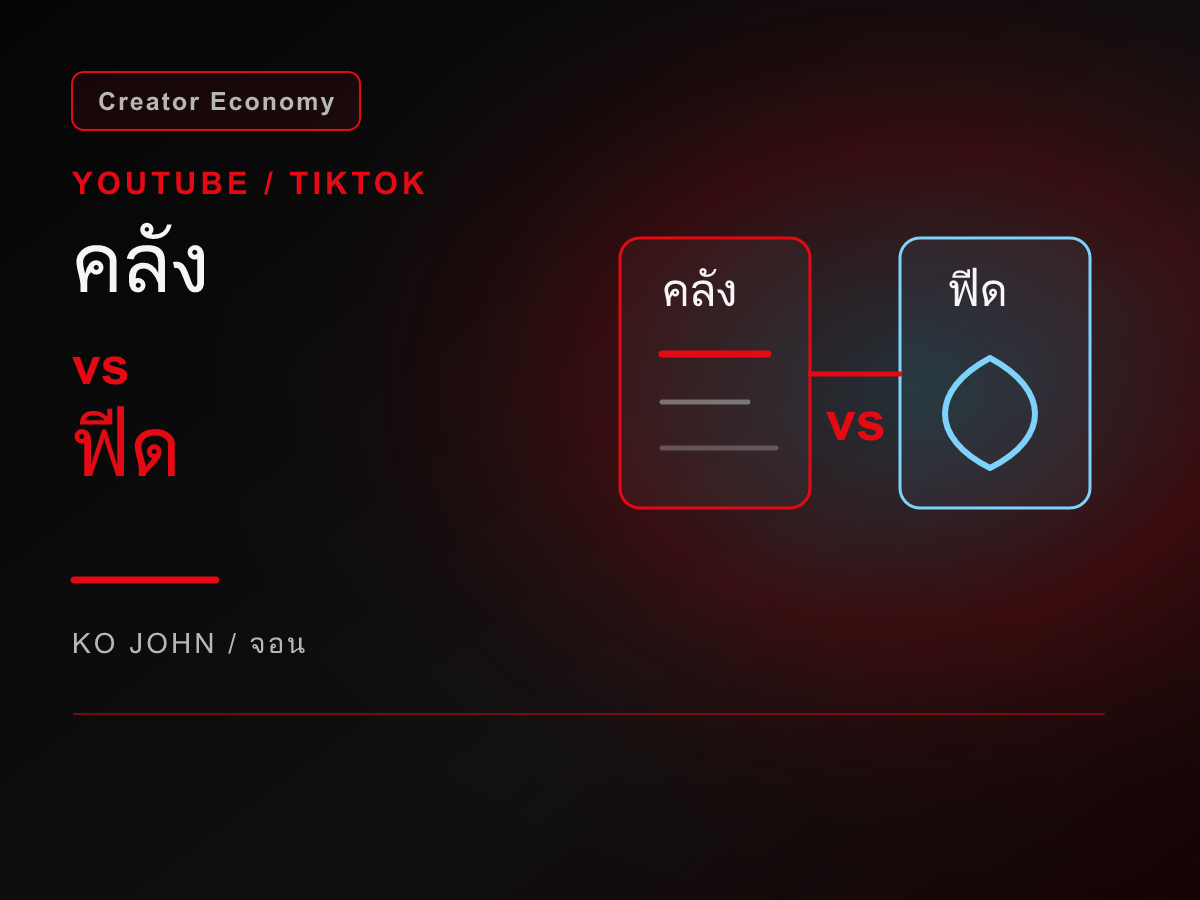
Being everywhere is how most creators end up being nowhere. When you try to feed five different algorithms before you have mastered one, you don't multiply your growth—you just divide your focus by five.
This article gives time-strapped creators a practical decision framework for choosing how many platforms to run in 2027. By the time you finish reading, you will see the hidden costs of premature multi-platform expansion, a side-by-side comparison of the distinct roles played by TikTok, YouTube, and LinkedIn (including their official monetization rules), a four-question test to know when you are ready for a second channel, and how to repurpose a single idea across platforms without boring your audience.
The Hidden Tax of Being "Omnipresent"
Every few months, a loud marketing guru gives the same advice: "You already made the video! Just post it on TikTok, YouTube, Instagram, Facebook, X, and LinkedIn—it takes five extra minutes!"
Anyone who has actually tried running five channels seriously knows that "five extra minutes" is a myth.
Cross-posting a video file takes five minutes. Running a platform takes hours of invisible overhead:
- Packaging tax: A vertical 9:16 hook that works on TikTok gets cropped awkwardly on a horizontal YouTube player, and a noisy video with no text context gets scrolled past by professionals reading silently on LinkedIn during a meeting.
- Community tax: Every active platform has its own comment section and inbox. Leaving comments unanswered on four secondary accounts makes your channels look like abandoned ghost towns.
- Analytics confusion: When you post the same clip to five places on day one and three of them flop, you have no idea whether your core idea was weak or whether the format clashed with those platforms' norms.
Splitting ten hours of weekly creative energy across five platforms means each platform only gets two hours of thought. You lose consistently to the creator who puts all ten hours into mastering one arena.
TikTok vs. YouTube vs. LinkedIn: Comparing Their Real Roles
There is no single "best" platform for every creator—anyone claiming one app beats all others for every niche is oversimplifying. Instead, think of TikTok, YouTube, and LinkedIn as three different tools in a media portfolio, evaluated across the same four criteria:
1. Primary Role in Your Funnel
- TikTok (Fast Discovery & Cultural Pulse): TikTok's interest graph and search tools (like Creator Search Insights) allow a brand-new account with zero followers to reach thousands of strangers on day one if the hook and pacing hold attention.
- YouTube (Deep Trust & Long-Term Library): YouTube—especially long-form video paired with Shorts—is where viewers spend 10 to 30 minutes with you. That time builds deep trust and evergreen search longevity that lasts for years.
- LinkedIn (Professional Authority & B2B Opportunity): LinkedIn is built for decision-makers, marketers, founders, and industry peers. One thoughtful post seen by 3,000 people on LinkedIn can lead directly to consulting deals, speaking invitations, or brand partnerships because the people reading control company budgets.
2. Content Format & Production Effort
- TikTok: Short-form vertical video (9:16), fast visual pacing, immediate first-2-second hooks, and high publishing frequency.
- YouTube: Supports both vertical Shorts and deep horizontal (16:9) videos, requiring stronger structural storytelling, thumbnail design, and title packaging.
- LinkedIn: Written insight posts, document carousels, and native video clips anchored by a clear professional takeaway that works even with the sound off.
3. Official Platform Monetization & Eligibility Rules
Before counting on direct platform ad payouts, always check the official rules—especially if you are based in Thailand:
- YouTube Partner Program (YPP): As detailed on Google's official YouTube Partner Program overview, YouTube offers a two-tier entry path in supported countries (including Thailand). The early fan-funding/shopping tier requires 500 subscribers, 3 public uploads in the last 90 days, and either 3,000 public watch hours (past 365 days) or 3 million public Shorts views (past 90 days). Full ad-revenue sharing requires 1,000 subscribers plus either 4,000 valid public watch hours (past 12 months) or 10 million valid public Shorts views (past 90 days).
- TikTok Creator Rewards Program: According to TikTok's official Creator Rewards Program FAQ, direct view-based payouts under the Creator Rewards Program require original videos longer than one minute, an eligible personal account in good standing (commonly 10,000+ followers and minimum 30-day view thresholds), and residency in a supported country where the program has officially launched. Because regional availability varies, many Thai creators monetize TikTok primarily through brand deals, TikTok Shop affiliate commissions, and live commerce rather than direct view payouts alone.
- LinkedIn: LinkedIn does not run an open view-based ad-revenue sharing program for all users like YPP; monetization happens indirectly through B2B brand sponsorships, inbound client leads, career opportunities, and owned products.
4. Shelf Life of a Single Post
- TikTok: Days to weeks (longer when optimized for specific in-app search queries).
- YouTube: Months to years via YouTube Search and suggested video recommendations.
- LinkedIn: Roughly 24 to 72 hours in the feed, while your profile articles and featured section act as a permanent portfolio when prospects look up your name.
The 4-Question Framework: Are You Ready for Platform #2?
Before you commit to a second platform, make sure you can answer "Yes" to all four of these questions:
- Can I hit my primary platform schedule for 8 consecutive weeks without missing a beat? If you are still scrambling at 11:00 PM to get your main channel's posts out, adding a second platform will break your primary habit.
- Do I know which topics consistently resonate with my audience? Use your first platform as a low-cost laboratory. Once you know which three content pillars spark comments and shares, you have proven material for platform number two.
- Does the second platform give me a different strategic lever? Expanding from one short-form vertical app to another identical short-form feed just duplicates your reach type. Expanding from TikTok (fast discovery) to YouTube (deep library) or LinkedIn (B2B authority) gives you a complementary business asset.
- Do I have 2 to 3 dedicated hours per week to adapt packaging and reply to comments on the new platform? If the answer is no, streamline your batch production workflow first.
How to Repurpose Content Without Copy-Pasting Boredom
When you expand to a second or third platform, the secret is One Core Research Effort → Three Native Formats.
Never export an MP4 with burned-in watermarks and dump the exact same caption across three apps. Instead, keep the core insight identical and change the entry angle to match why people open each app:
- The Core Idea: You just tested how a new AI tool or EV feature performs in real life.
- The TikTok Version (60–90s Vertical Video): Open with the most surprising visual result in second one ("Look at what happened when I tested this in vertical 9:16..."). Keep the pace brisk, show the visual proof on screen, and end with a quick question.
- The YouTube Version (8–12m Deep Dive): Walk through the full context—why you ran the test, the step-by-step setup, the edge cases that failed, and a detailed comparison table so viewers searching for a complete tutorial get every answer.
- The LinkedIn Version (Written Breakdown + Key Visual): Turn the lesson into a sharp written post for professionals ("What building a custom tool taught me about auditing AI workflows in a media team"). Lead with a two-line hook, share the workflow takeaway in short paragraphs, and drop the full article link in the first comment.
You only did the hard work—the actual testing and thinking—once. Yet someone who follows you on both TikTok and LinkedIn gets two genuinely native experiences.
My take
Here is my honest opinion—and plenty of full-time media agencies will disagree with me on this: almost every solo creator should plant their flag on ONE primary platform first, build an unbreakable workflow and a real community there, and ignore everything else until that engine runs on autopilot.
I understand the counterargument. Some creators prefer casting a wide net across four platforms from day one to see which algorithm catches fire first, or to hedge against platform risk. If you have a team or full-time hours to dedicate to distribution, that approach can sometimes work.
But for a solo creator—especially someone creating alongside a full-time career—focus beats breadth nine times out of ten. Master one room until people know your voice when you walk in. Once your batch system gives you breathing room, add your second platform not out of fear of missing out, but because you have a specific job for that platform to do.
Quick Summary
- Beware the hidden tax of "everywhere": Multi-platform posting isn't a 5-minute upload—it requires native packaging, separate community management, and split focus.
- Match the platform to the job: Use TikTok for fast discovery and search, YouTube for deep trust and long-term YPP monetization (official eligibility rules), and LinkedIn for professional reputation and B2B opportunities.
- Pass the 4-question readiness test: Only add a second platform after 8 weeks of effortless consistency on your primary channel, choosing a platform that adds a different strategic lever.
- Repurpose the research, not the raw file: Research and test once, then adapt the hook and format to fit each platform's native habit.
If you could only keep one platform for the next year, which one and why?